
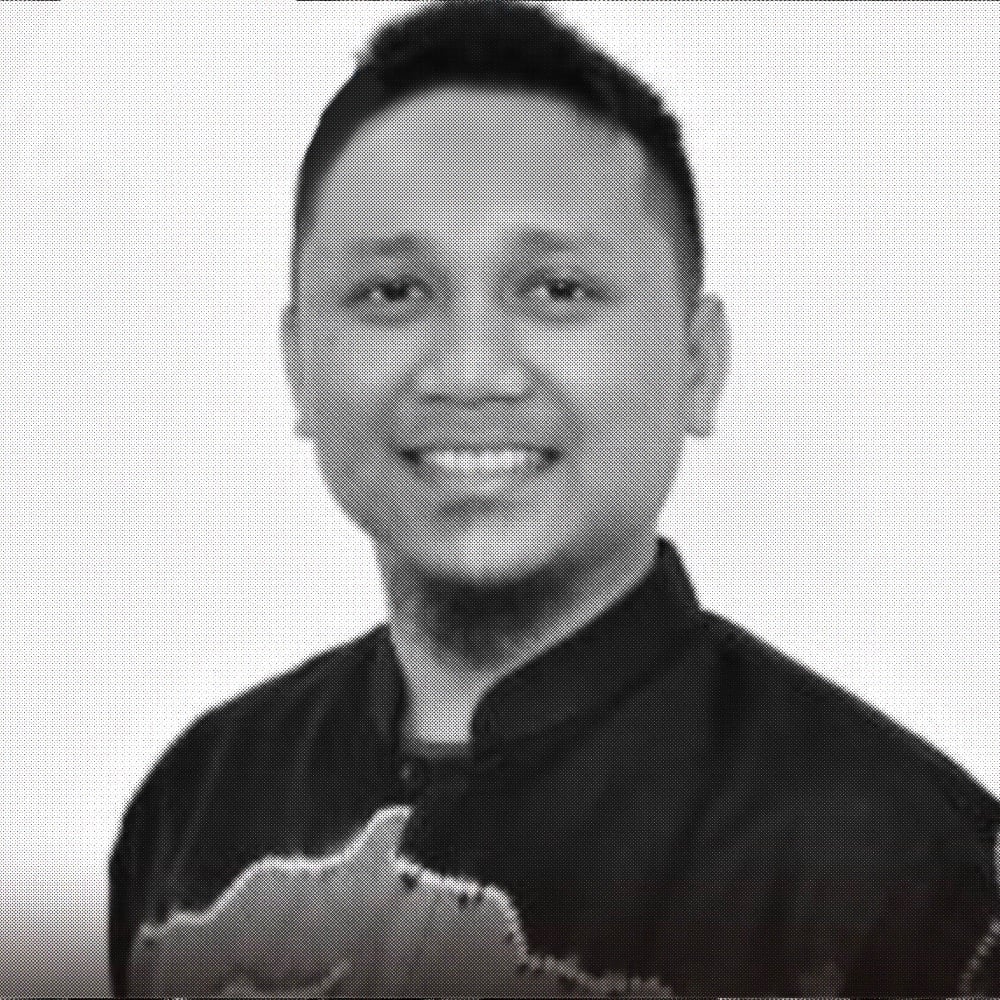

Aulia Rahman
An architect based in East Kalimantan whose practice centres on the exploration of rewilding architecture and spatial design approaches that align with nature, culture, and local materials. In her work, Aulia integrates ecological principles with sensory experience, creating spaces that are living, adaptive, and deeply rooted in their environmental context. Beyond her design practice, she is also actively engaged in teaching and knowledge-sharing around sustainable design, human–nature relationships, and the potential of local materials as part of a broader effort to envision more harmonious futures for spatial development.
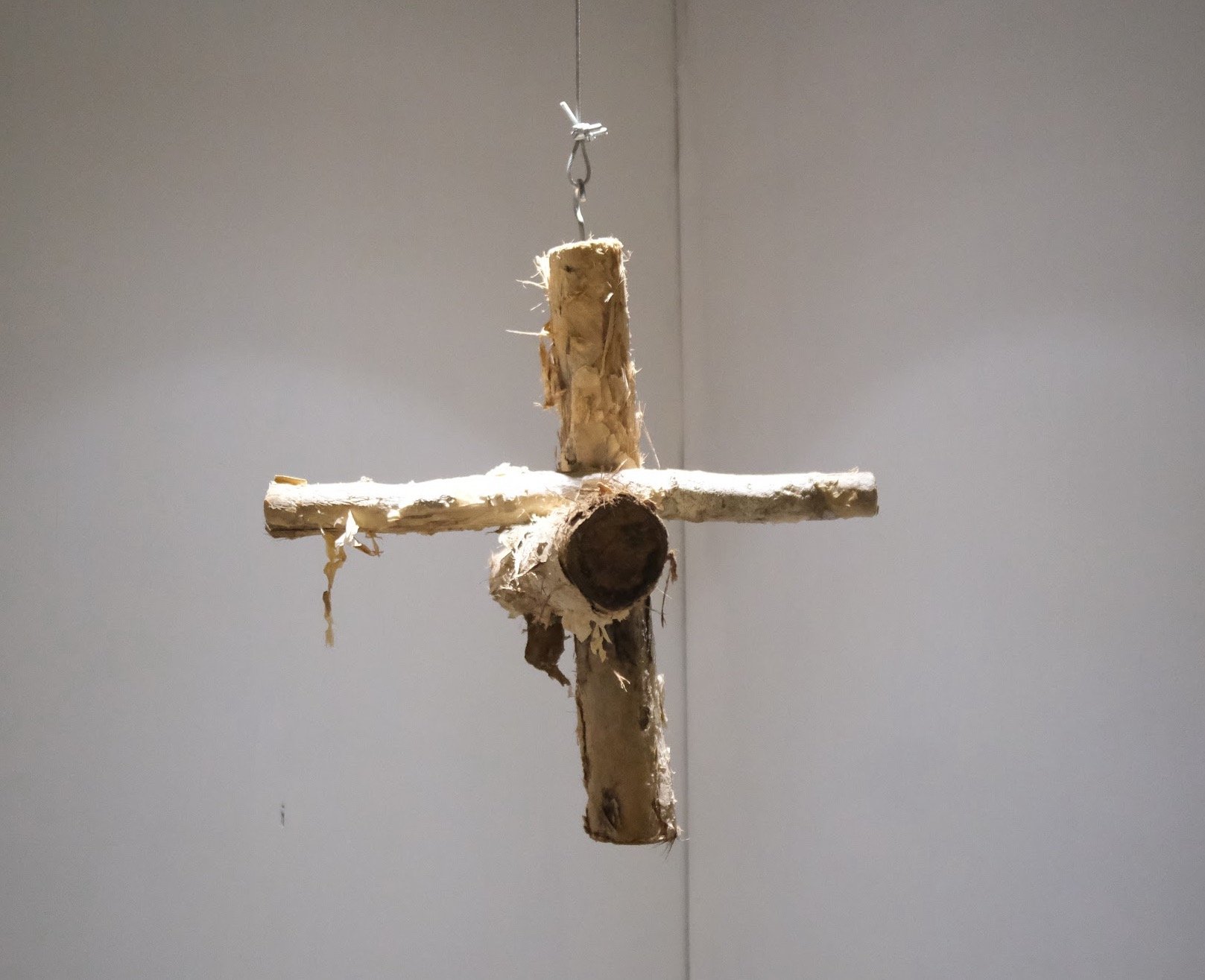
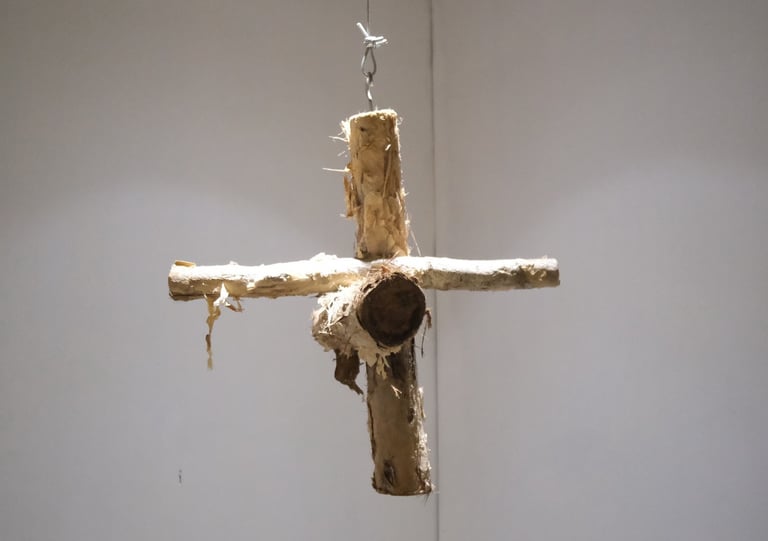
Titel : PEN[GALAM]AN (Melaleuca leucadendron)
Medium : Galam
Size : 40x40x45cm
Year : 2025
This work explores galam wood as a form of collective memory among communities living in wetland environments, particularly in Banjarmasin, South Kalimantan. Kalimantan is not defined solely by its tropical rainforests; it also contains one of the largest wetland areas in Indonesia, second only to Sumatra. One of the distinctive plant species of these wetlands is galam (Melaleuca leucadendron).
Although classified as a strong type of timber, galam’s naturally crooked form limits its use to temporary structures such as construction scaffolding, small field shelters, wooden footbridges, or, ultimately, firewood. Paradoxically, this bent form and its temporary function constitute galam’s unique aesthetic value, an expression that resonates closely with the concept of wabi-sabi, the beauty found in imperfection and impermanence.
Galam is ubiquitous, present everywhere, yet its existence often goes unnoticed. This sense of transience is captured and translated into an installation work. Beauty, the work suggests, is not found solely in polished marble or the flexibility of metal, but can emerge from local materials that surround us in everyday life. Through this approach, the work invites greater awareness and sensitivity toward the surrounding landscape and environment, while reaffirming local identities that are increasingly at risk of erosion.