Hardiyanti
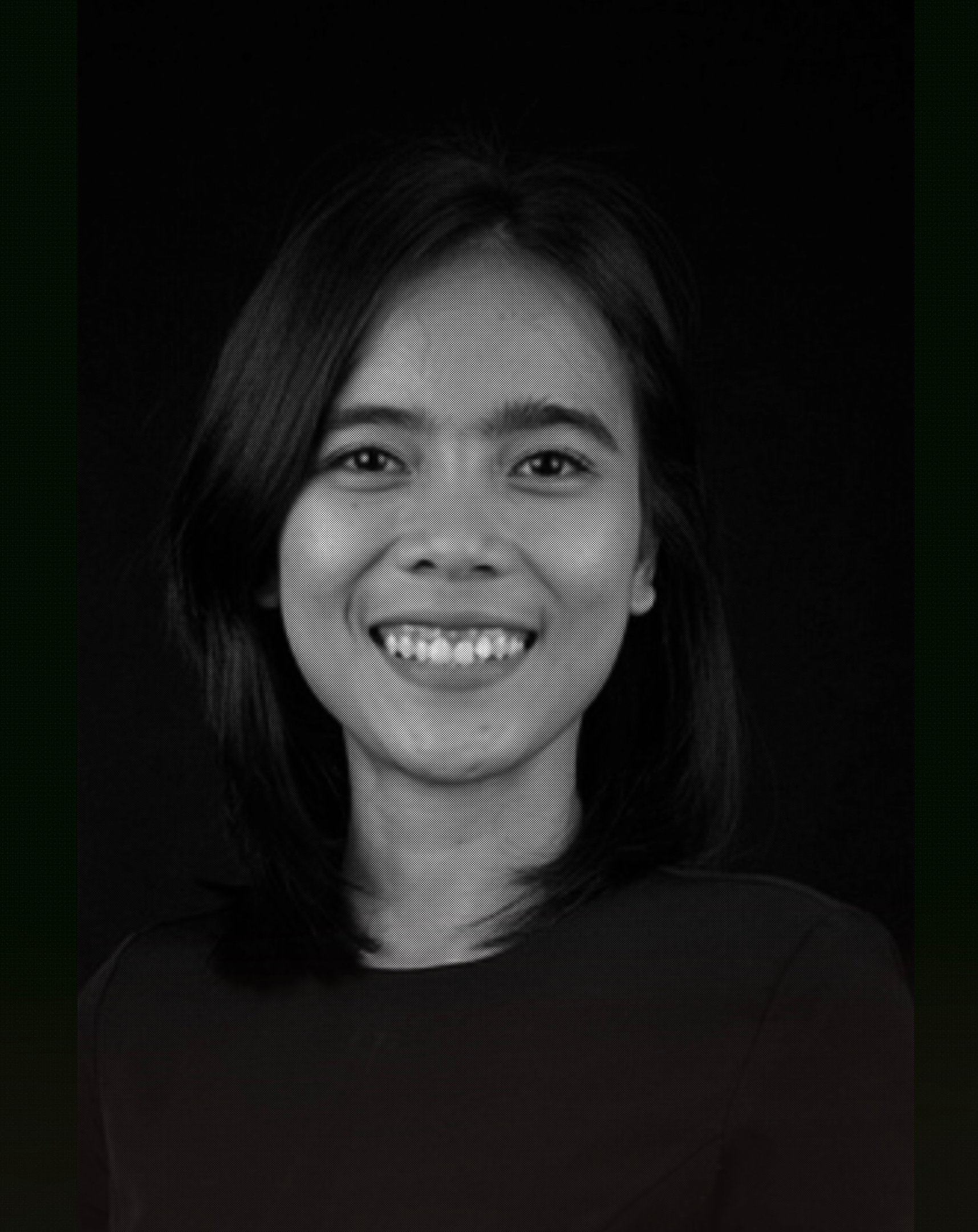
Hardiyanti is a cultural observer based in Kapuas Hulu, with a deep interest in the richness of Indonesia’s cultural heritage, particularly rice rituals, weaving traditions, and basketry crafts. Through direct observation, independent research, and the documentation of diverse cultural practices, she works to strengthen strategic collaborations between Indigenous communities, artists, supporting institutions, community groups, and academics.
Her work is driven by a commitment to preserving, advancing, and introducing valuable cultural heritage to wider audiences.
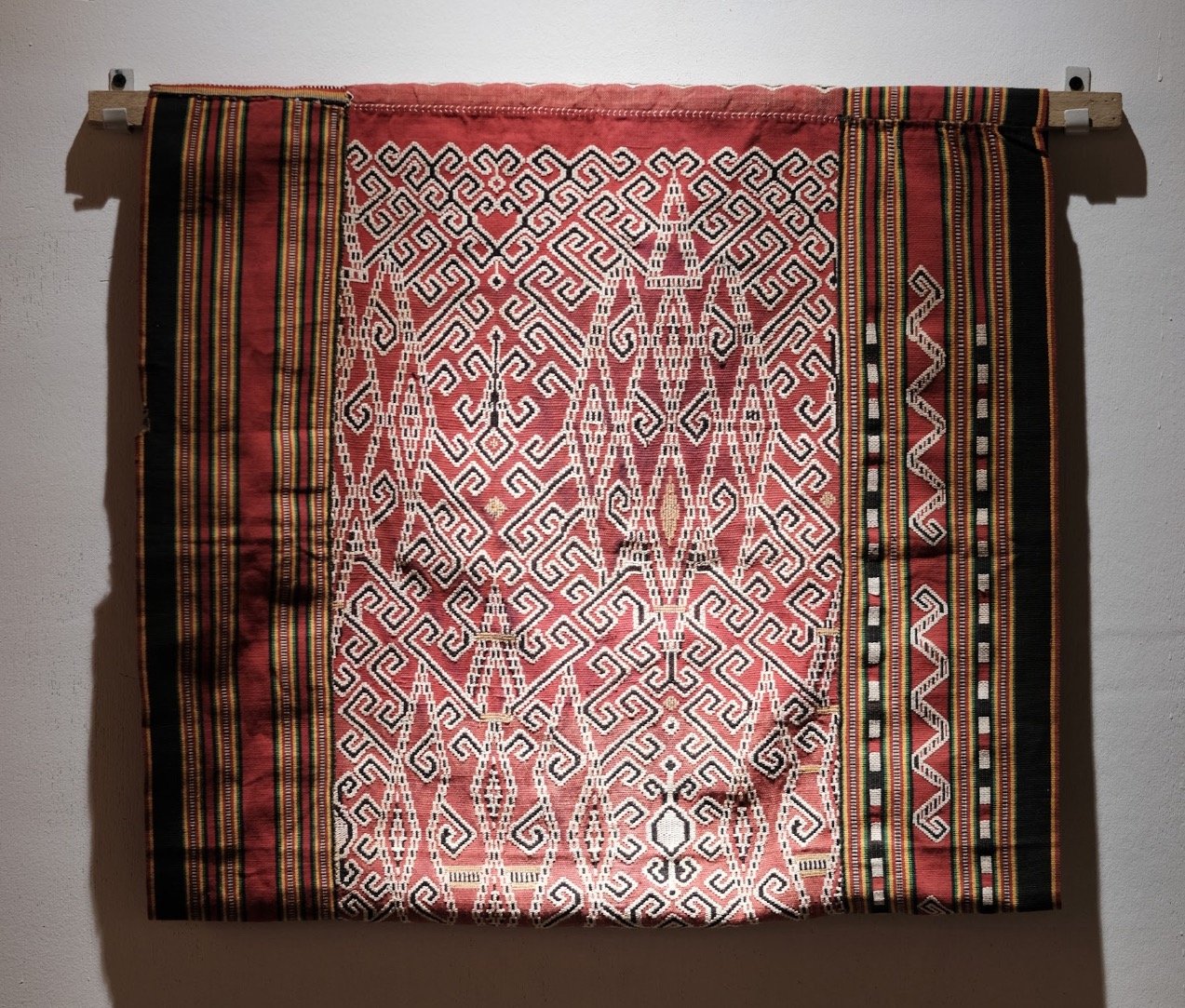
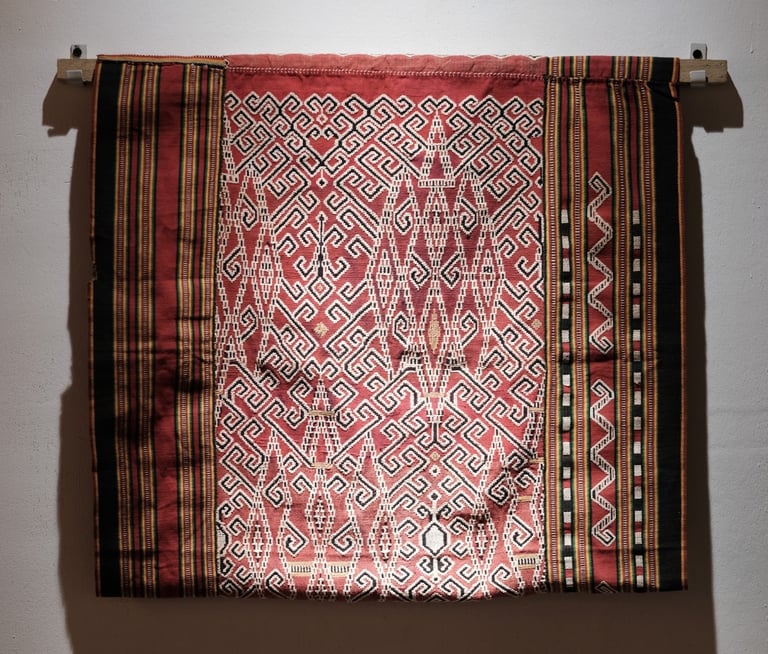
Cosmic Loom : Kain Tenun Ibu Biti Dayak Iban
Size : 40x40cm
Iban weaving is not merely a product of technical skill, but a spiritual heritage that stretches across the realms of the heavens, the earthly world, and the afterlife. Taught by the goddess Dewi Jawai Indae Mendae (Kumang), weaving for Iban women is a spiritual practice, a form of inner ritual that begins with mantras and offerings, connecting the weaver to ancestors and to nature.
Gifted weavers are believed to receive the empelawa stone, a sacred endowment that grants agility of the hands, enabling them to create complex motifs without imitation. Each thread carries stories, prayers, and spiritual force, transforming woven cloth into a mediating vessel between humans, nature, and ancestral spirits.
Yet this beauty now faces mounting challenges. Since the 1990s, changes in the customary landscapes of the Iban territories in northern Kapuas Hulu, including the presence of industrial activities such as logging and monoculture plantations, have begun to disrupt the balance long sustained by Indigenous communities. As Indonesia prepares for the relocation of its capital to Kalimantan, pressure on customary forest areas has become increasingly evident. Biodiversity, a vital source of natural dyes for weaving, is gradually being eroded.